

İçindekiler
- Composite Bonding in Turkey: Why This Topic Matters
- How the Consultation Process Usually Starts
- Treatment Planning and Personalization
- What Affects the Cost
- How Long Treatment May Take
- Who May Be a Good Candidate
- Recovery and Aftercare
- Common Mistakes Patients Should Avoid
- How to Choose a Dental Clinic
- Questions to Ask Before Booking
- Frequently Asked Questions
- Final Thoughts
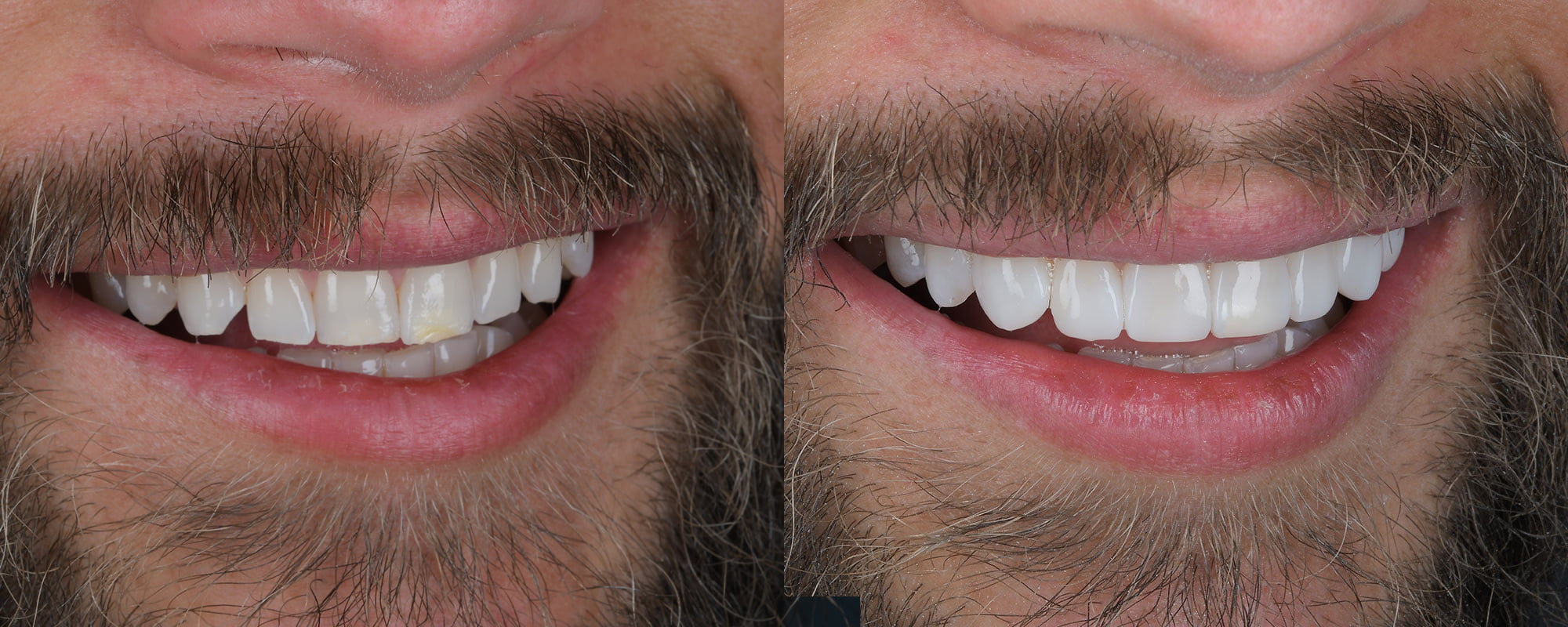
Composite Bonding in Turkey is one of the most searched dental topics among patients who are planning treatment in Turkey. Many international patients search for Composite Bonding in Turkey because they want a clearer smile, reliable treatment planning and a realistic idea of the process before they travel. Comparing bonding with veneers is not only about the final appearance; it is also about diagnosis, communication, materials, timing, aftercare and choosing a clinic that explains every stage clearly.
This article explains the subject in a patient friendly way, with practical details about consultation, treatment planning, cost factors, recovery and clinic selection. It is written for informational purposes and does not replace a personal examination by a qualified dentist.
Composite Bonding in Turkey: Why This Topic Matters
Composite bonding can affect the way a person smiles, speaks, eats and feels in social situations. For some patients, the goal is a brighter and more balanced smile. For others, the priority is replacing missing teeth, correcting bite problems or preparing the mouth for a stronger long term restoration. Because every mouth is different, the same treatment name can include different steps from one patient to another.
International patients often compare clinics, prices and treatment packages online. This can be useful, but it can also be confusing when information is incomplete. A reliable plan should explain the diagnosis, the materials, the number of visits, possible temporary teeth, healing time, follow up needs and what is included in the quoted price. A low price alone is not enough to judge the quality of a treatment.
How the Consultation Process Usually Starts
The first stage is usually a consultation based on photographs, dental X rays or a panoramic scan. The dental team may ask about missing teeth, previous crowns, gum problems, sensitivity, medication use, smoking habits and general health. These details help the dentist understand whether the requested treatment is suitable or whether another option may be safer.
For cosmetic treatments, smile analysis is important. Tooth color, tooth size, lip line, gum visibility, face shape and bite relationship can all influence the result. For implant related treatments, bone level, sinus position, gum health and the condition of nearby teeth are key points. A serious consultation should explain both the benefits and the limitations of the treatment.
Treatment Planning and Personalization
No dental treatment should be planned as a one size fits all package. A smile that looks natural on one person may look artificial on another. The best planning usually considers the patient’s age, facial structure, natural tooth shape and expectations. The dentist should also check whether the teeth and gums are healthy enough for the requested procedure.
Planning may include digital smile design, shade selection, temporary restorations, bite checks and mock ups. For more complex cases, different specialists may be involved. For example, implant cases may need surgical planning, while smile makeover cases may combine whitening, veneers, crowns or gum contouring. The aim is to create a result that looks good and also functions comfortably.
What Affects the Cost
The cost of composite bonding in turkey can change depending on the number of teeth involved, the material used, the difficulty of the case, laboratory quality, diagnostic imaging, temporary restorations and whether additional procedures are needed. Patients should be careful with prices that do not clearly explain what is included.
A complete quotation should ideally mention consultation, X rays or scans, treatment stages, materials, temporary teeth if needed, medications when applicable and follow up visits. Some patients may also need gum treatment, extractions, bone support, sinus lift or bite correction before the main treatment can begin. These extra steps can change both the price and the treatment timeline.
How Long Treatment May Take
Treatment time depends on the procedure. Some cosmetic treatments can be completed in a few appointments, while implant and surgical treatments may require healing periods. A patient travelling from another country should ask how many days are needed in Turkey, whether a second visit is required and what happens if temporary teeth are needed during healing.
Fast treatment is attractive, but speed should not compromise safety. The mouth must be examined properly, impressions or digital scans must be accurate and restorations must be adjusted carefully. In implant cases, healing and stability are especially important. A clinic should explain why a certain timeline is recommended instead of promising the shortest possible schedule for every patient.
Who May Be a Good Candidate
A good candidate is usually someone who has realistic expectations, suitable oral health and a clear treatment goal. Patients with active gum disease, untreated decay or unstable bite problems may need preparation before cosmetic or implant procedures. General health can also matter, especially for surgical treatments.
Patients should tell the dentist about medical conditions, regular medication, allergies and previous dental experiences. Smoking, uncontrolled diabetes and poor oral hygiene can affect healing and long term success. The safest approach is to create a treatment plan after reviewing both aesthetic expectations and clinical needs.
Recovery and Aftercare
Aftercare is a major part of long term success. Patients may need to avoid very hard foods for a period, follow cleaning instructions, use prescribed medication and attend control appointments. For crowns, veneers and bonding, daily hygiene and avoiding habits such as biting hard objects can protect the restorations. For implants and surgical treatments, healing instructions are even more important.
Good aftercare also includes regular dental check ups after returning home. A beautiful result can fail early if plaque, gum inflammation or bite pressure is ignored. Patients should ask the clinic how to maintain the treatment, how often controls are needed and what signs should be reported after treatment.
Common Mistakes Patients Should Avoid
- Choosing only by the lowest price without checking what is included.
- Ignoring gum health before cosmetic restorations.
- Expecting the same result as another patient without considering face and tooth structure.
- Booking travel dates before receiving a realistic treatment timeline.
- Not asking about materials, warranty conditions and follow up care.
How to Choose a Dental Clinic
Choosing a clinic should involve more than looking at before and after photos. Patients should check communication quality, dentist experience, treatment explanations, hygiene standards, material information and whether the clinic asks for proper records before giving a final plan. A trustworthy clinic will explain risks and limitations instead of promising perfect results for every case.
It is also useful to ask who will perform the treatment, how many appointments are required, what happens if adjustments are needed and how emergency communication works after returning home. Clear answers before travelling can prevent misunderstandings and make the experience more organized.
Questions to Ask Before Booking
- Am I clinically suitable for this treatment?
- How many teeth or implants are included in the plan?
- Which materials will be used and why?
- How many days should I stay in Turkey?
- Will I need a second visit or long term follow up?
- What is included in the total price?
Frequently Asked Questions
Is composite bonding in turkey suitable for everyone?
Not always. Suitability depends on oral health, bone structure, gum condition, bite relationship and the patient’s expectations. A personal consultation is necessary before making a final decision.
Can the final result look natural?
A natural result depends on correct planning, material choice, tooth shape, color selection and the skill of the dental team. The goal should be harmony with the patient’s face, not only very white teeth.
Is travelling for dental treatment safe?
Travelling can be safe when the clinic provides proper diagnosis, realistic planning, clear communication and aftercare instructions. Patients should avoid rushing into treatment without enough information.
How should I prepare before treatment?
Patients should send clear photos, share X rays if available, explain previous dental work and inform the clinic about medical conditions or regular medication. Good preparation helps the clinic create a more accurate plan.
What happens after I return home?
After returning home, patients should follow hygiene instructions, attend routine dental checks and contact the clinic if they notice pain, looseness, swelling or bite discomfort. Long term care is essential for maintaining the result.
Final Thoughts
Composite Bonding in Turkey can be a valuable option for patients who want functional and aesthetic improvement, but the best results come from careful planning rather than quick decisions. Patients should compare treatment details, ask clear questions and focus on quality, safety and long term comfort.
For more related topics, visit the Dental Treatments section and compare different procedures before deciding which treatment may be suitable for your case.
